
Bat Detectors
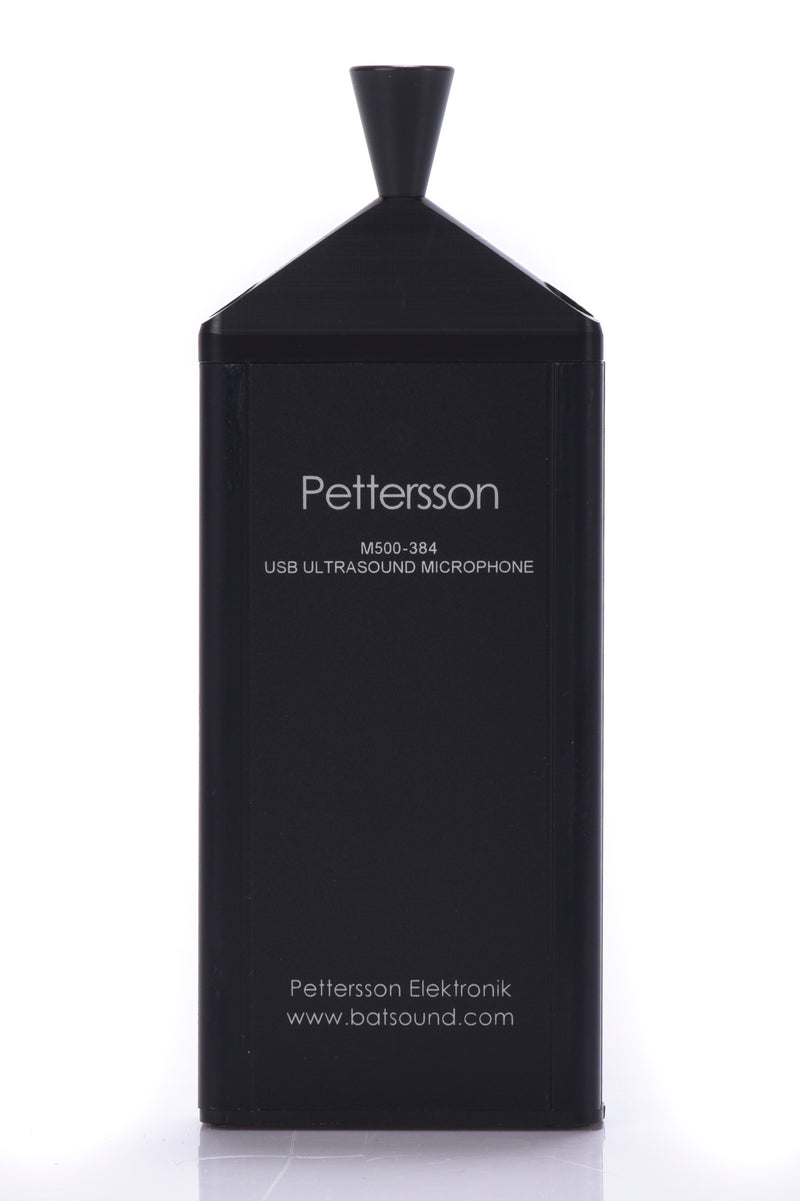
Pettersson M500 Microphone
Pettersson M500 Microphone
$449.00
Lightweight Full-spectrum Power Download BatSound Touch Lite software for this microphone The Pettersson M500 is a small, USB-powered ultrasonic microphone housed in durable, black aluminum enclosure. Utilizing the same advanced electret microphone technology as the D500x detector, the M500 can be used both in directional and omnidirectional mod...
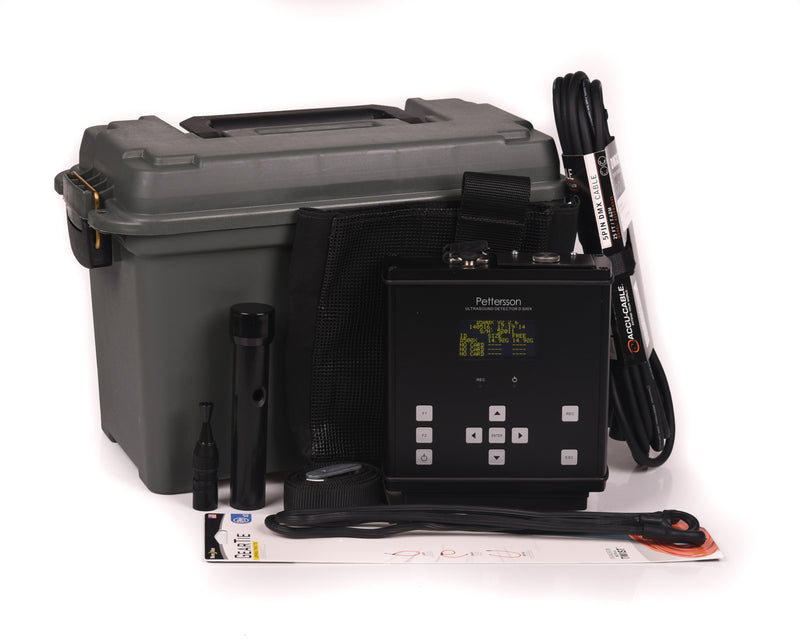
Pettersson D500x Grab and Go Kit
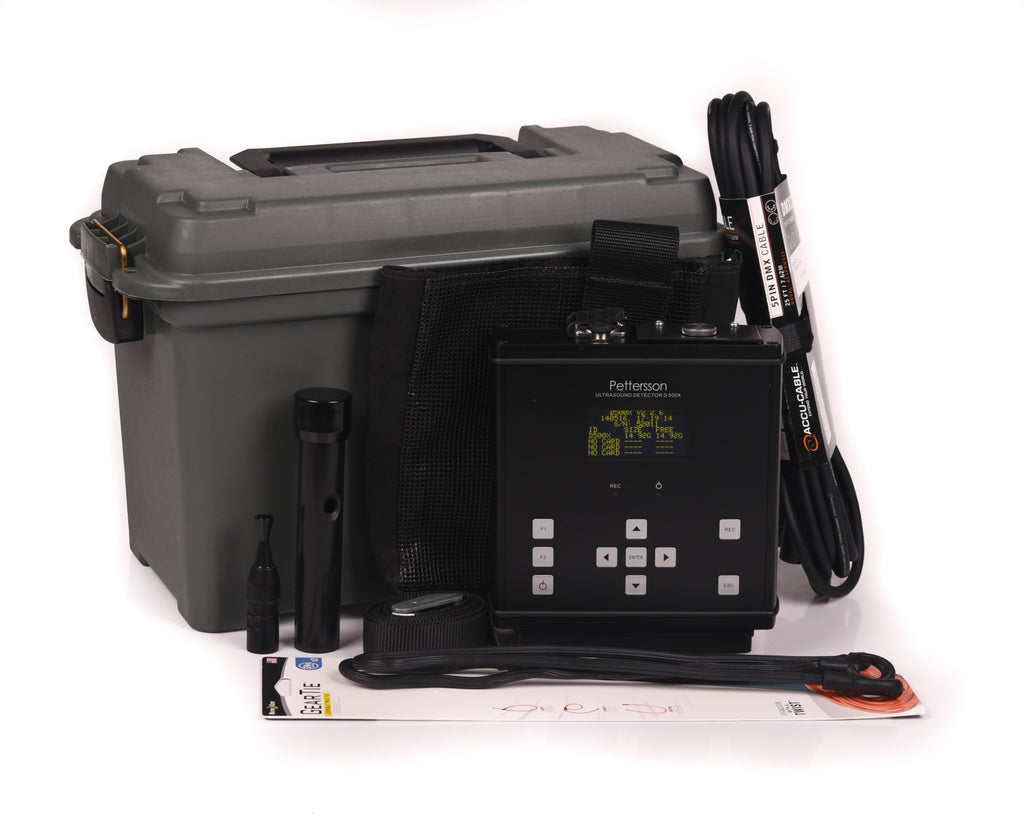
Pettersson D500x Grab and Go Kit
$1,799.00
What's in the Grab and Go Acoustic Survey Kit? This kit is the same setup BCM uses for professional surveys and training workshop events. It includes Your detector version of choice Standard for passive monitoring only, or Special Edition FD version for active monitoring as well (1)- 16GB SanDisk Gold compact flash card external microphone wit...
Pettersson u384 Microphone
Pettersson u384 Microphone
$363.60
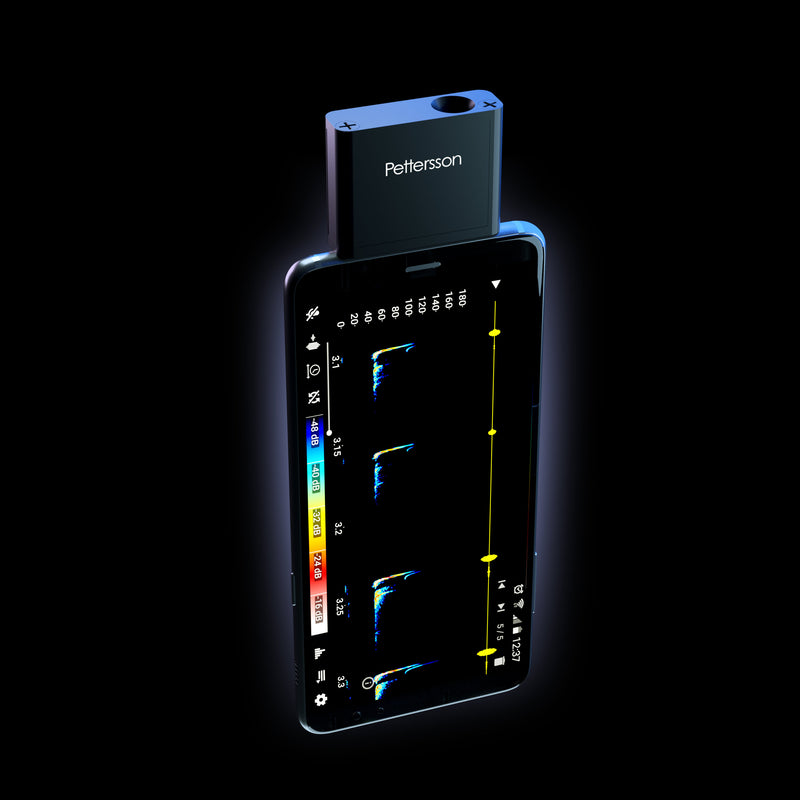
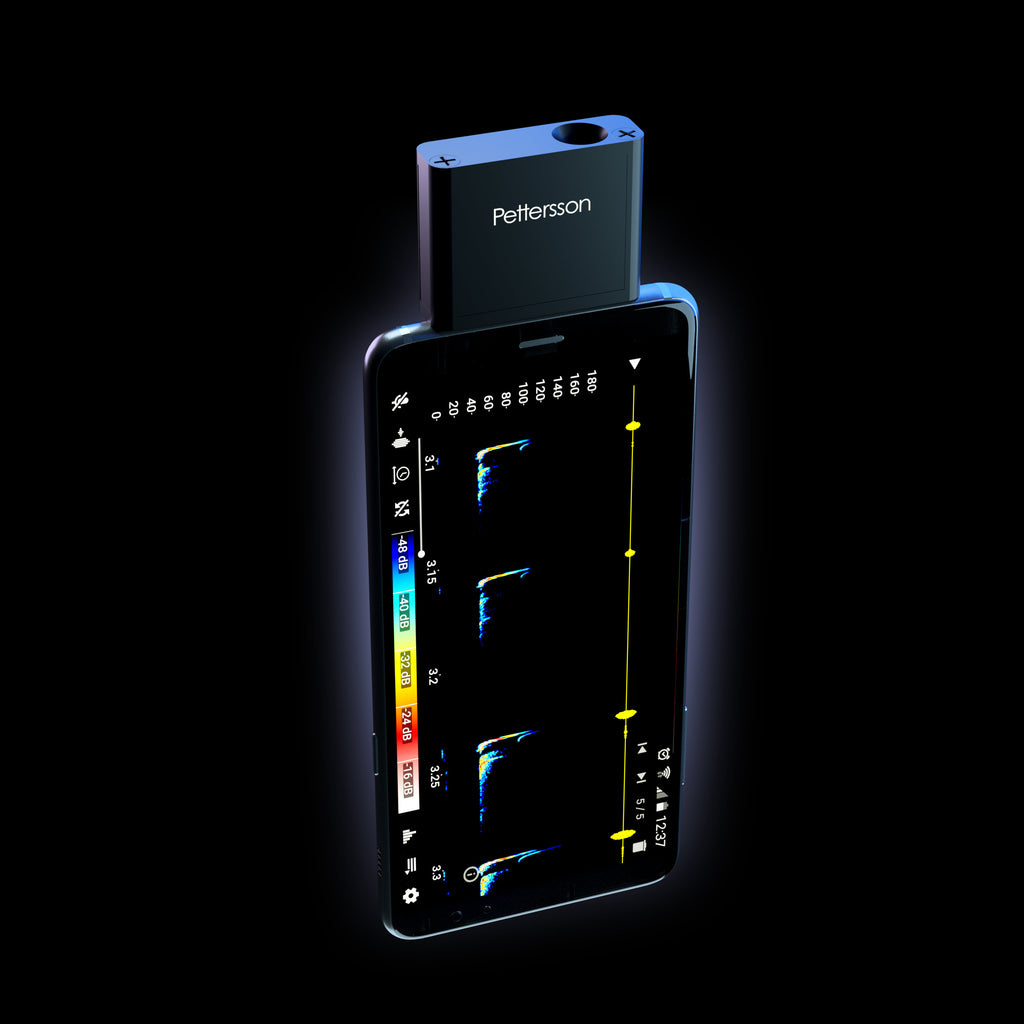
Available ships in 1-2 business days Lightweight Full-spectrum Power Download BatSound Touch Lite software for this microphone The u384 sets a new standard for USB microphones offering excellent sensitivity, low noise, small size and ultra-low power consumption – all for a modest price. Learn more about the different types of bat detectors. T...
Pettersson D500x
Pettersson D500x
$1,724.99
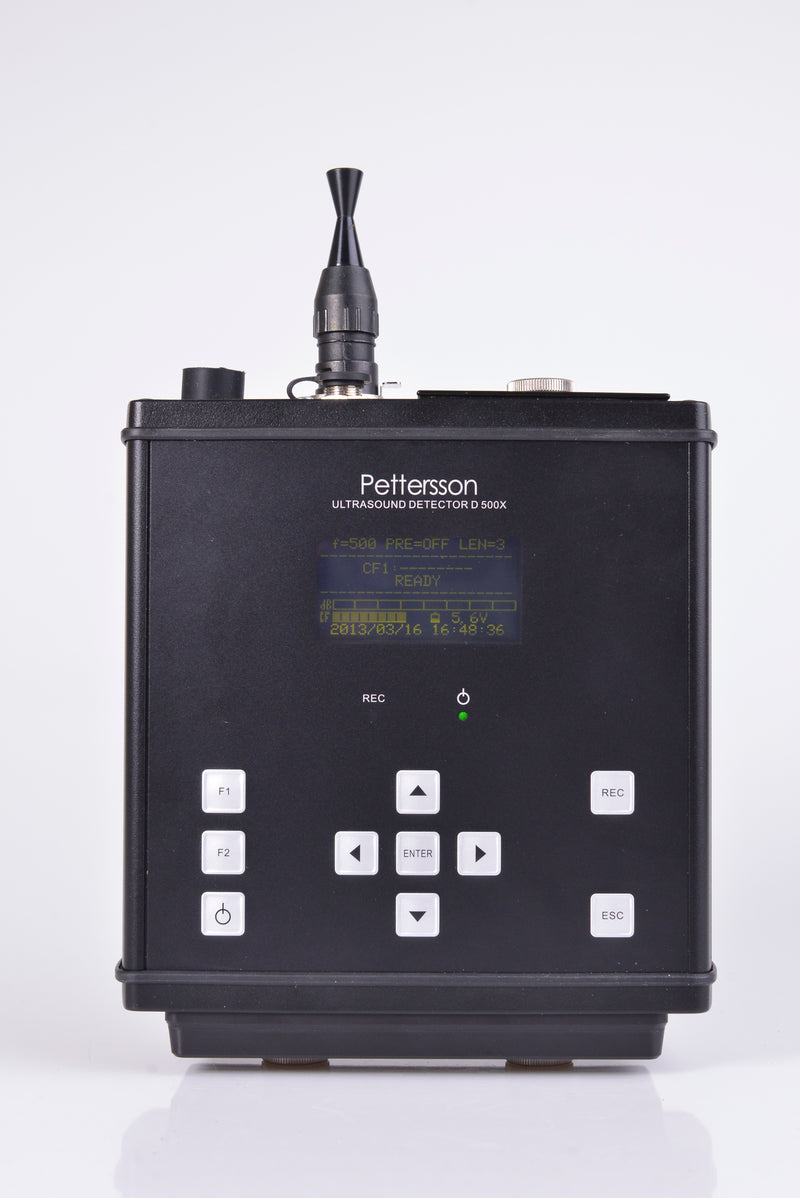
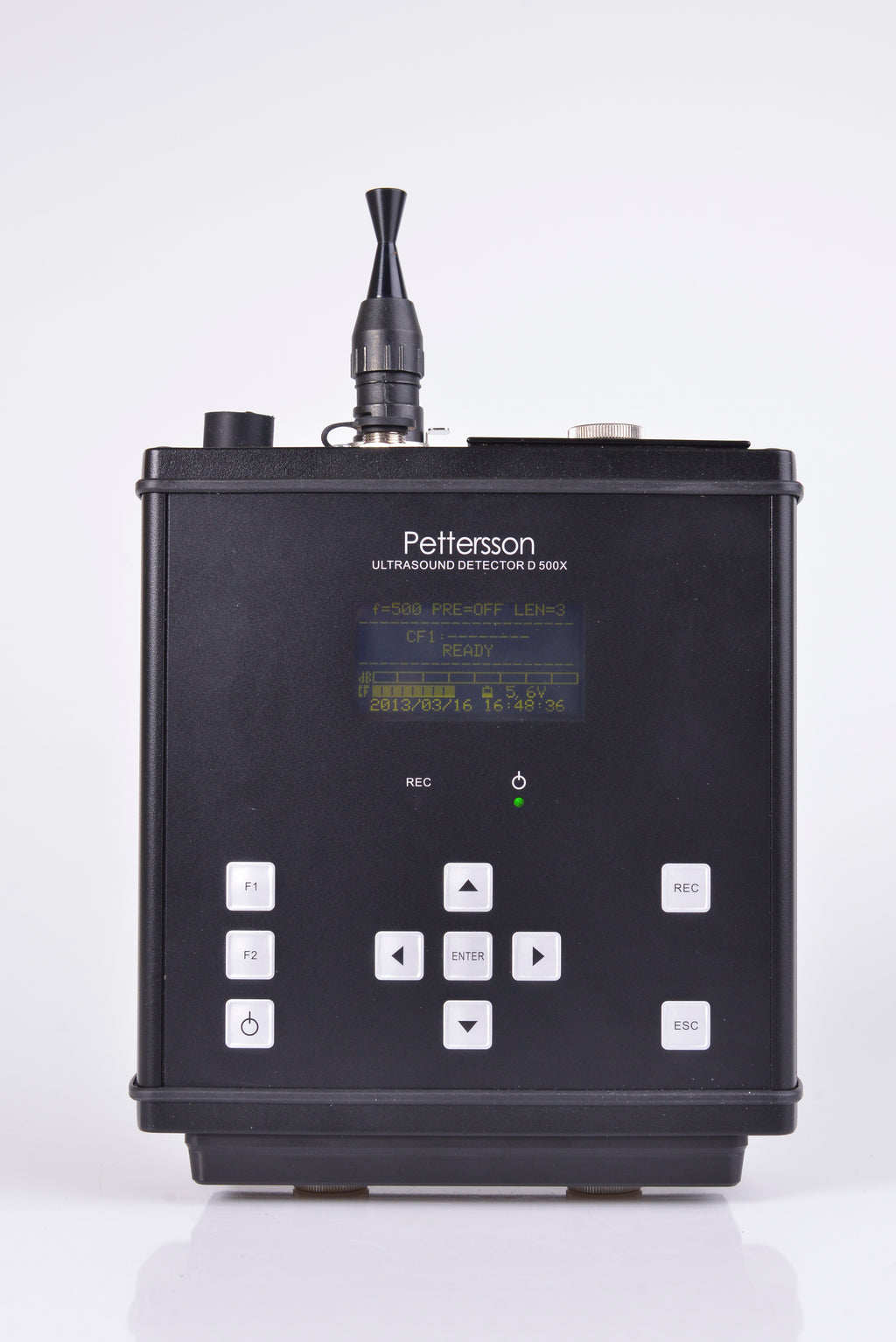
The Premier Passive Bat Acoustic Monitoring Device. The D500X is a full spectrum "direct recording" ultrasound recording unit intended for long-term, unattended recording of bat and other high frequency animal calls. Designed to be deployed for weeks or months, this device detects full-spectrum ultrasound and records in real time using the high...
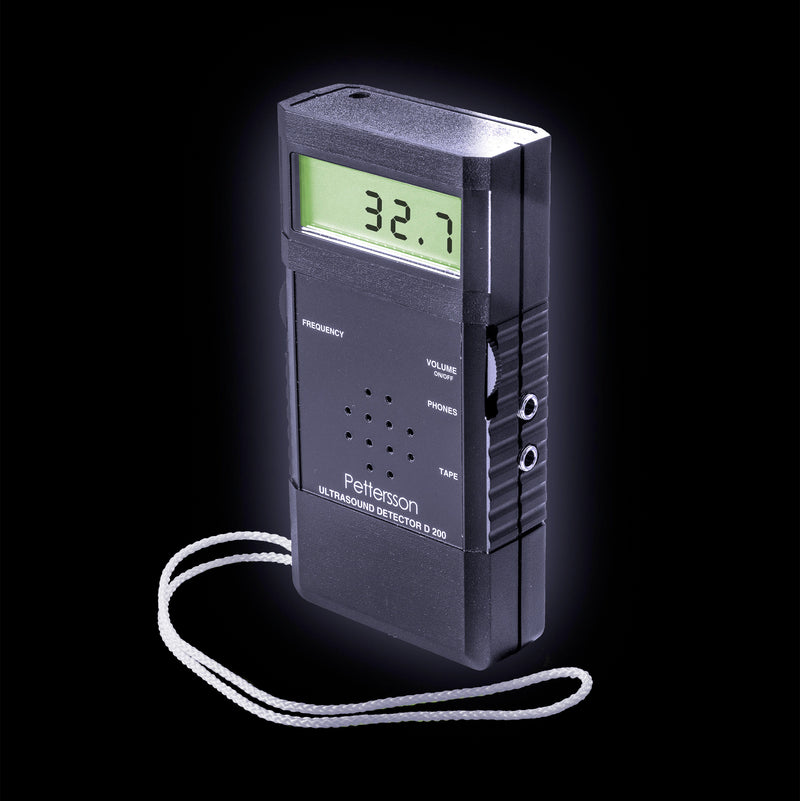
Pettersson D200
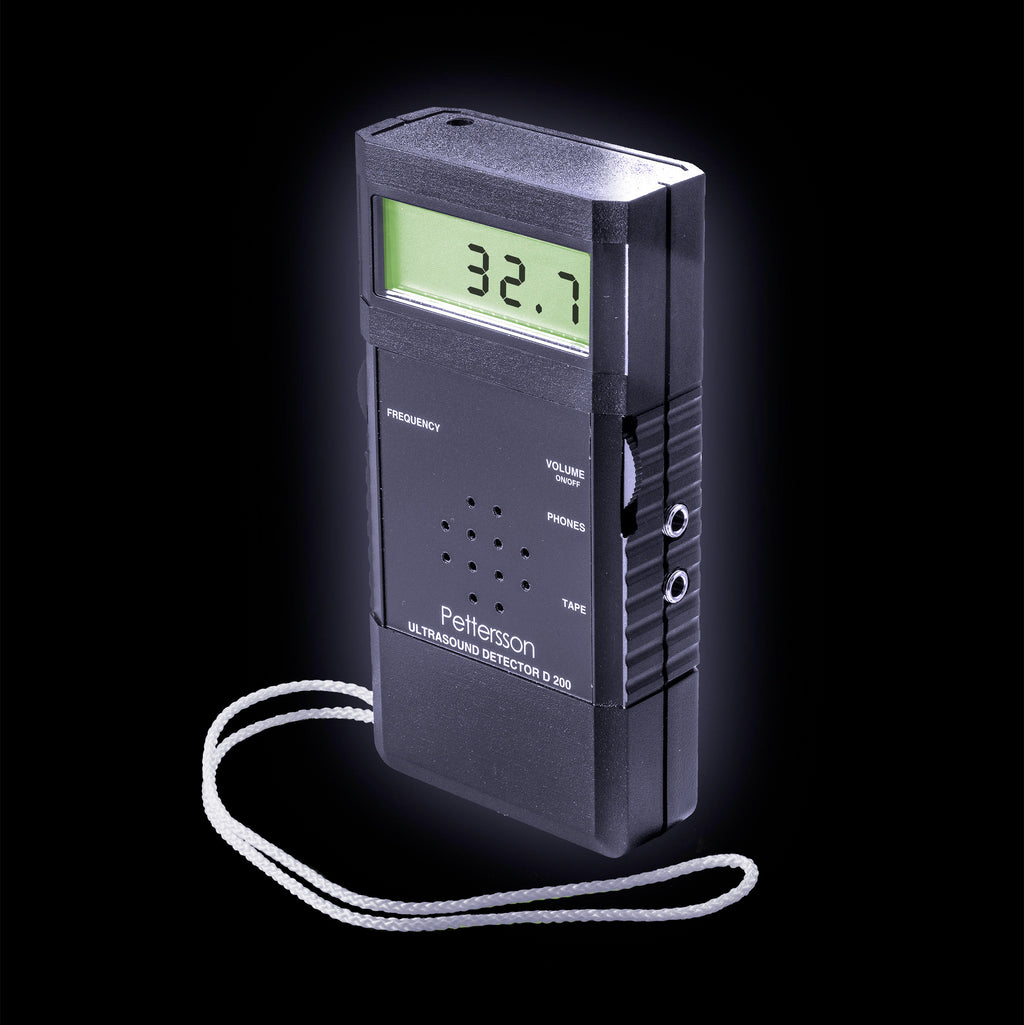
Pettersson D200
$295.00
Available, usually ships 1-2 business days This quality heterodyne bat detector features a large, very accurate backlit LCD displaying the center of the tuned frequency in kHz. The detector in real time plays any ultrasound that is approximately 4 kHz above and below the tuned frequency.This method works by frequency subtraction and only a very ...
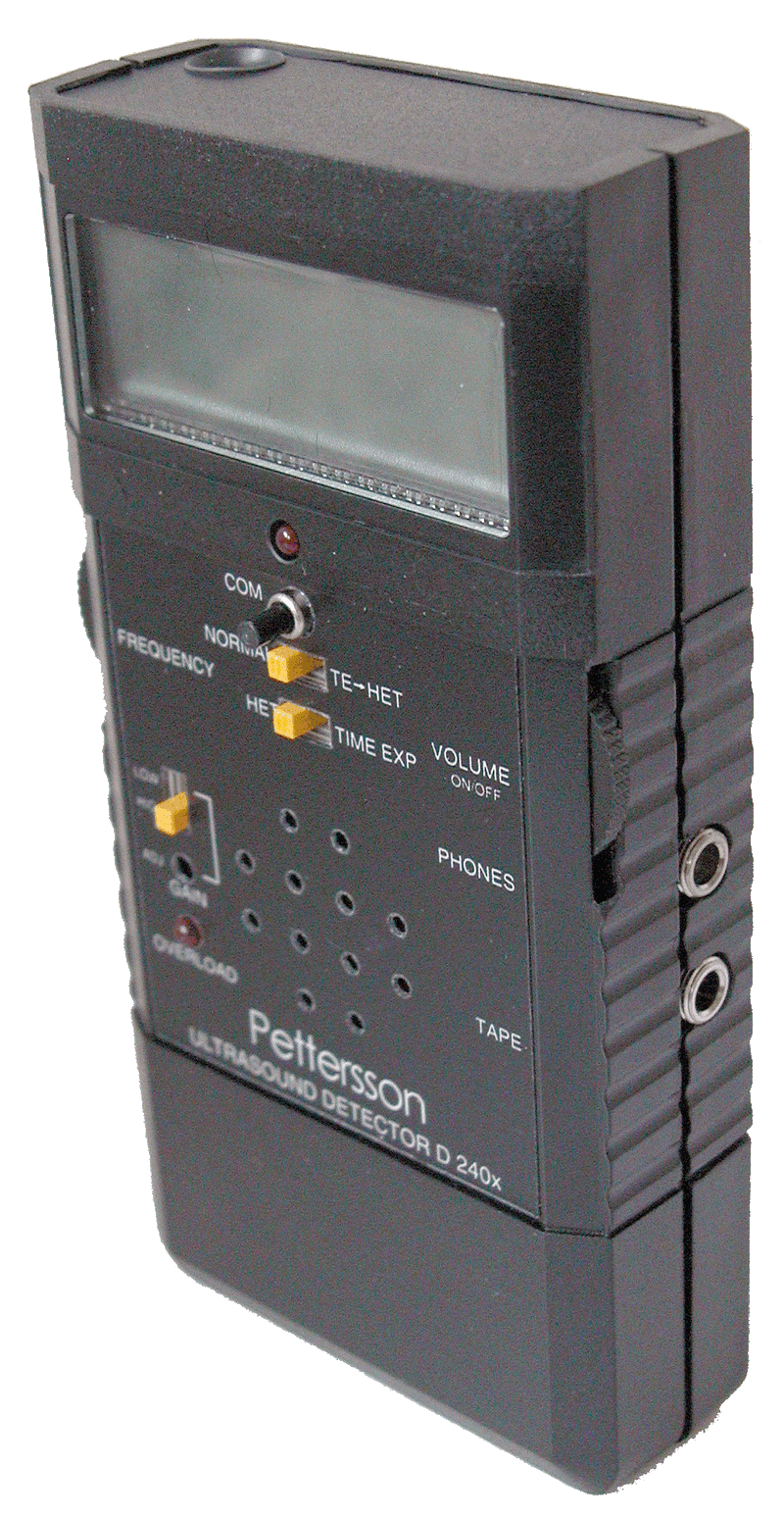
Pettersson D240x
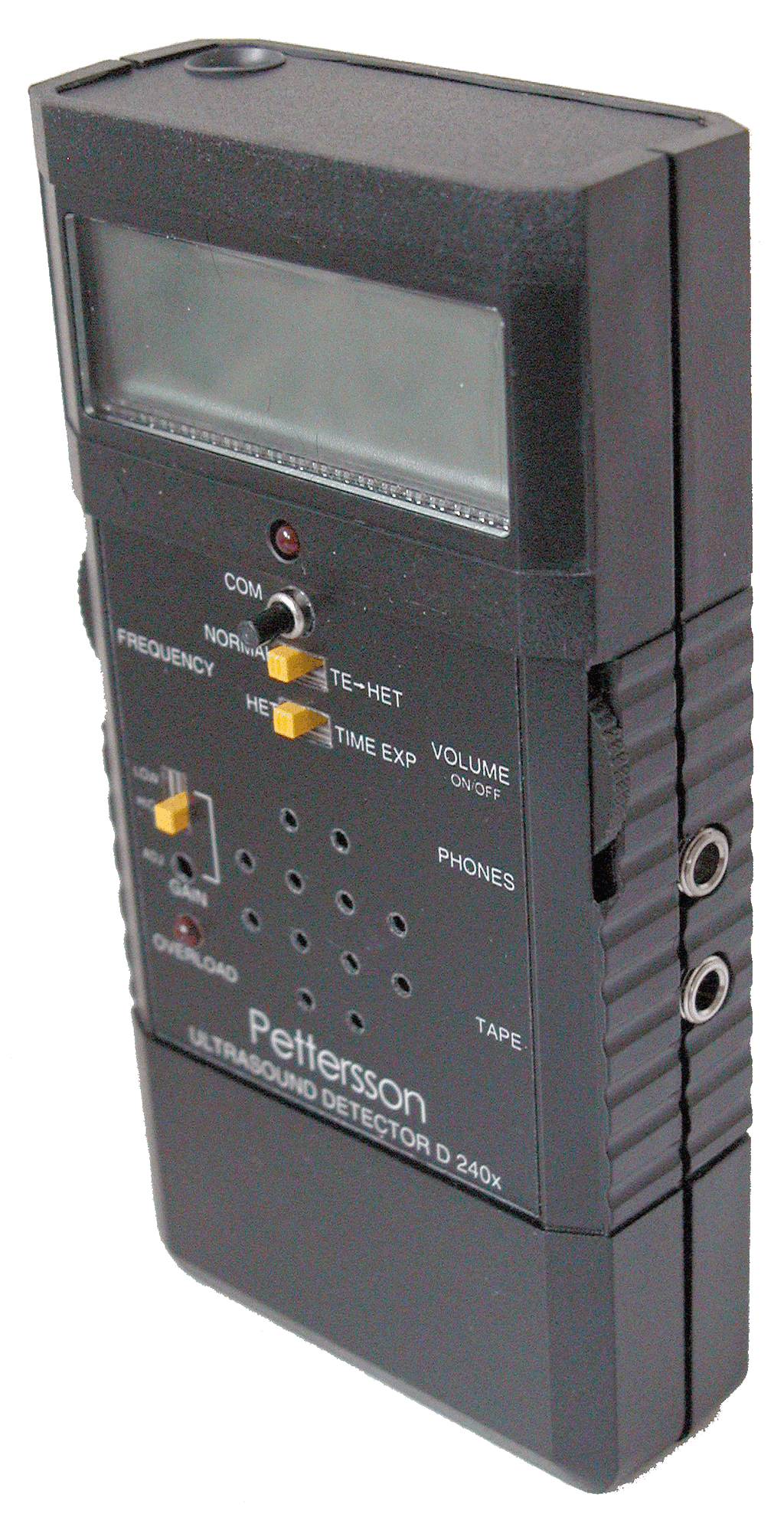
Pettersson D240x
$995.00
Heterodyne and Full Spectrum Time Expansion Bat Detector The bat detectors from Pettersson Elektronik are high quality instruments, designed in close cooperation with leading bat workers for optimum performance in full spectrum recordings. As a testament to Pettersson's "done right the first time" philosophy, this is one of most longest-lived p...
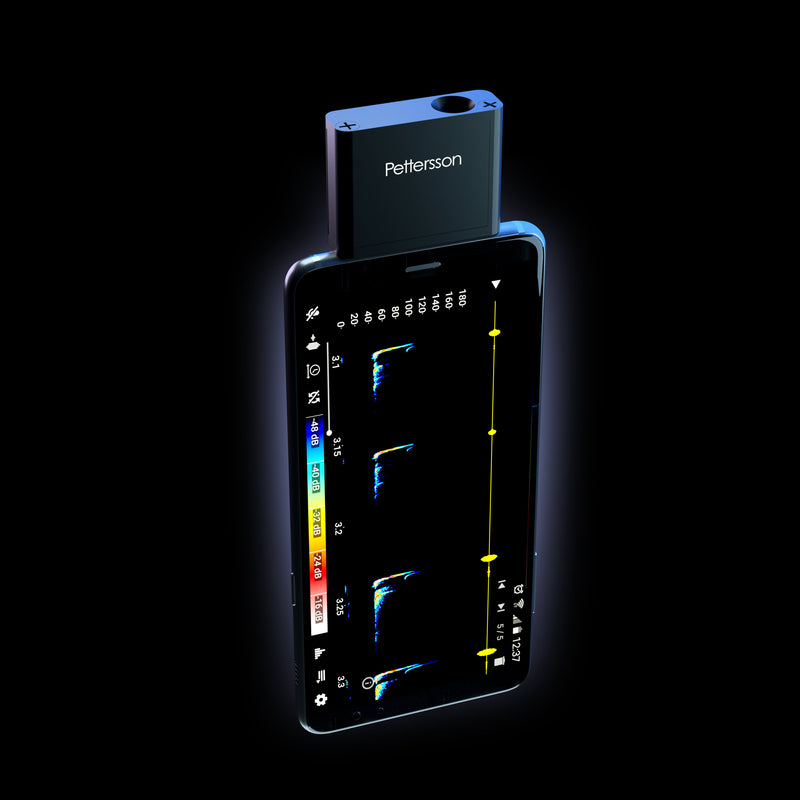
Pettersson u256 Microphone
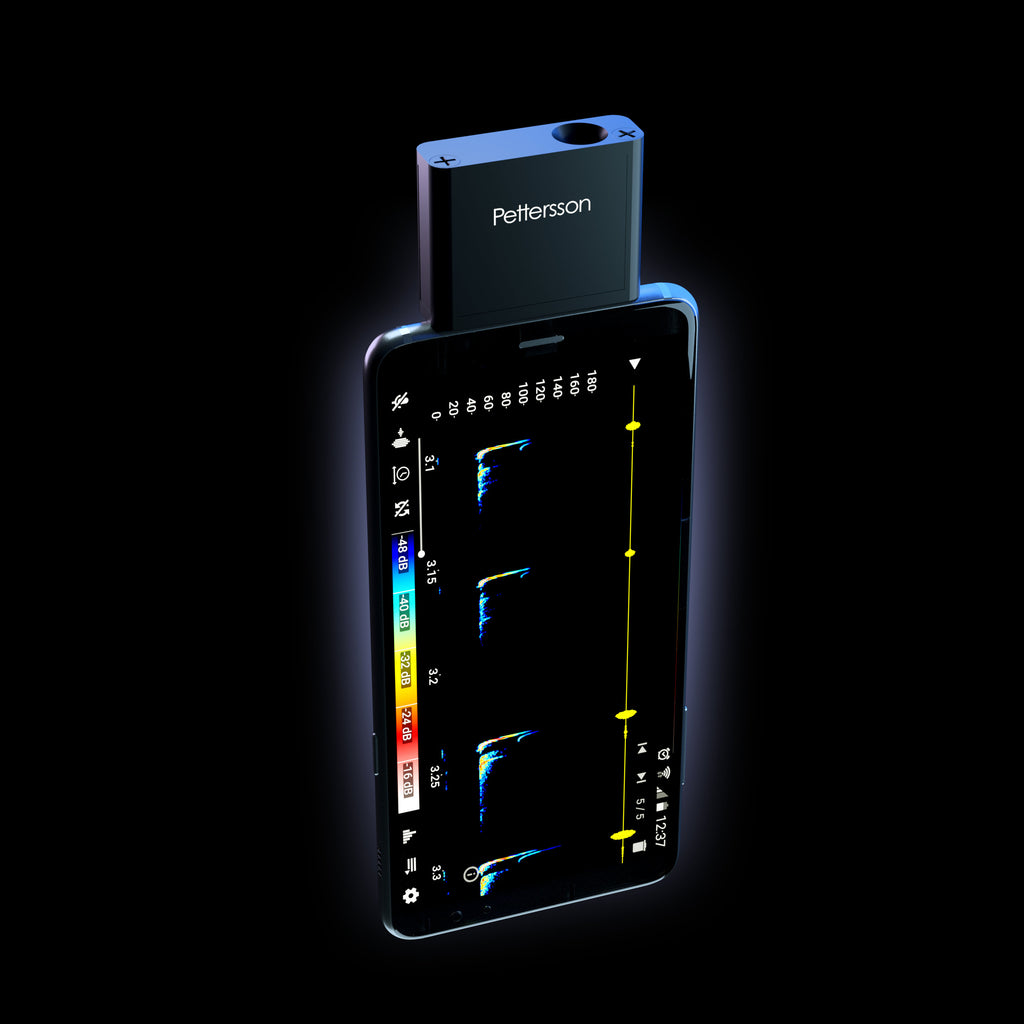
Pettersson u256 Microphone
$273.75
Available Lightweight Full-spectrum Power Download BatSound Touch Lite software for this microphone The u256 sets a new standard for USB microphones offering excellent sensitivity, low noise, small size and ultra-low power consumption – all for a modest price. Learn more about the different types of bat detectors. The components are housed in a ...
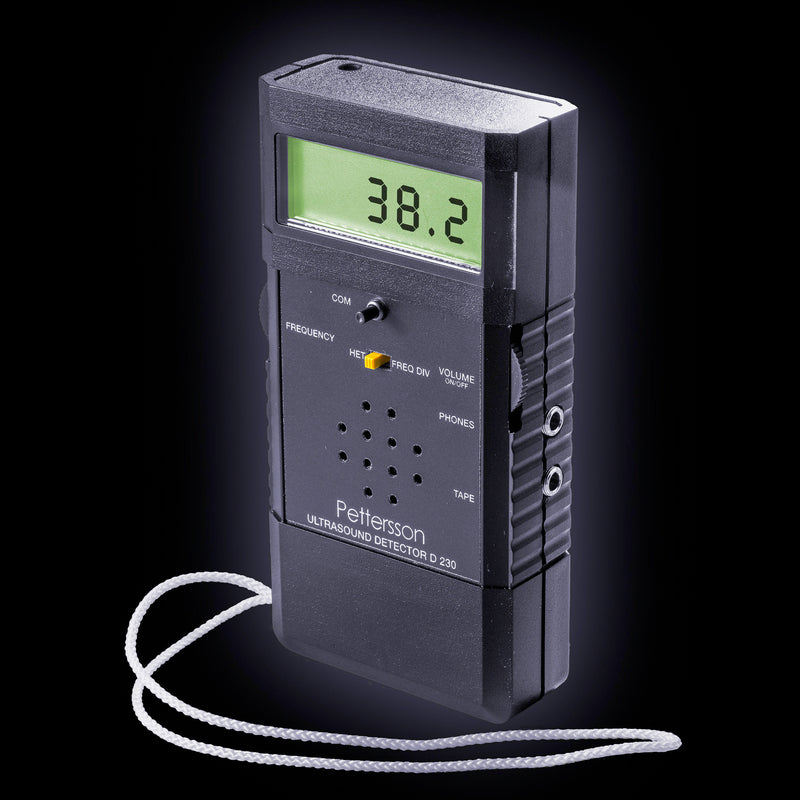
Pettersson D230
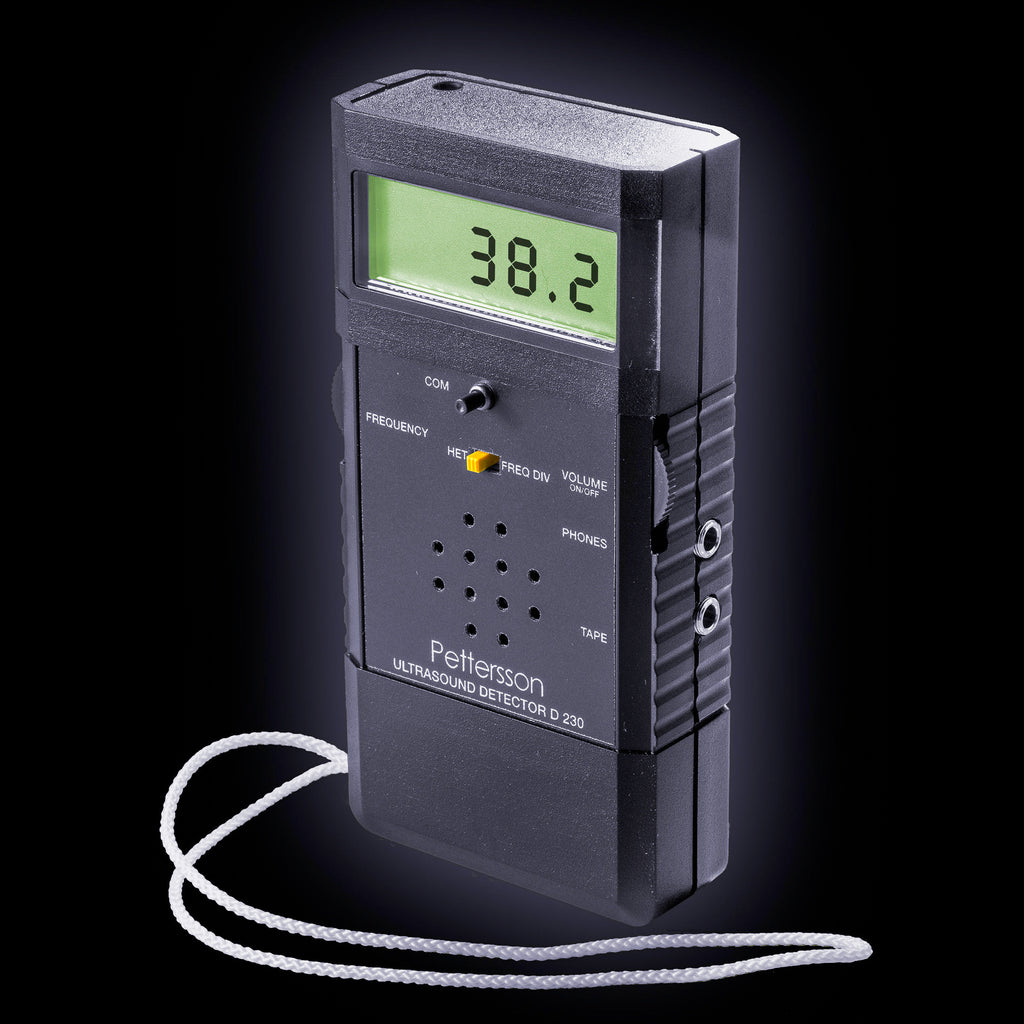
Pettersson D230
$425.00
Available, usually ships in 1-2 business days The Pettersson D230 is a combination heterodyne (HET) and frequency division (FD) detector for real-time active monitoring. Using stereo headphones, you can constantly monitor the bat's full frequency range in FD in your right ear. The HET output is also constantly being played in your left ear. Whe...
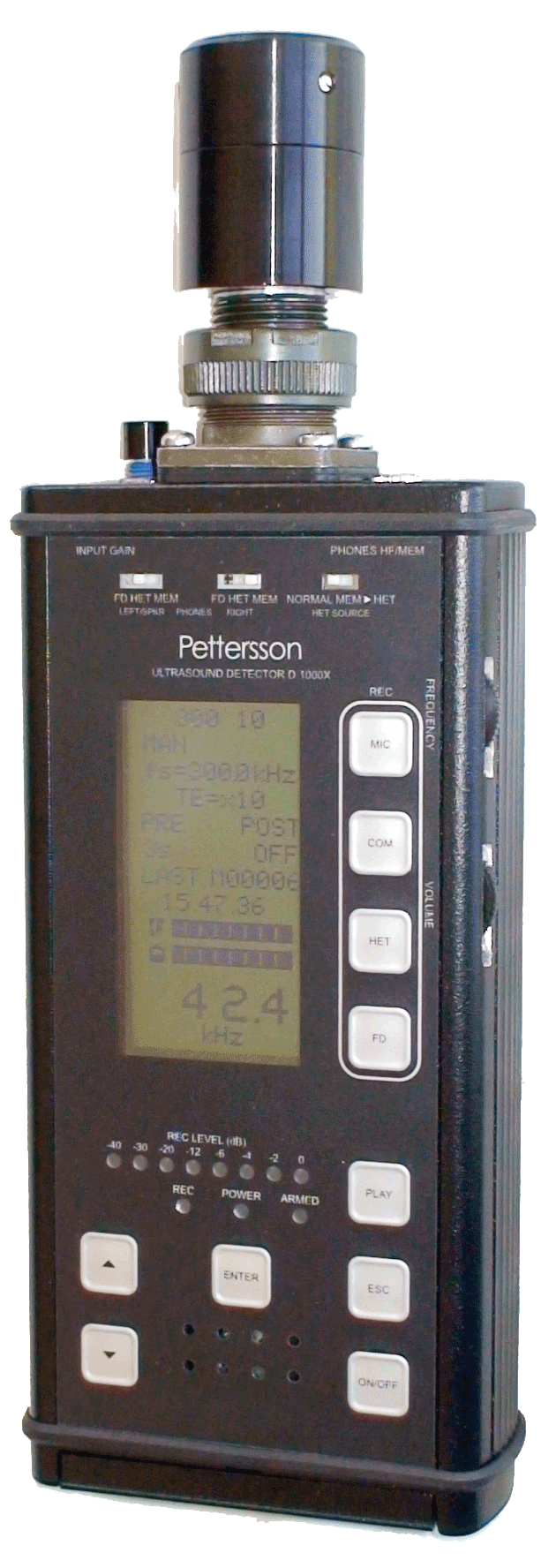
Pettersson D1000x
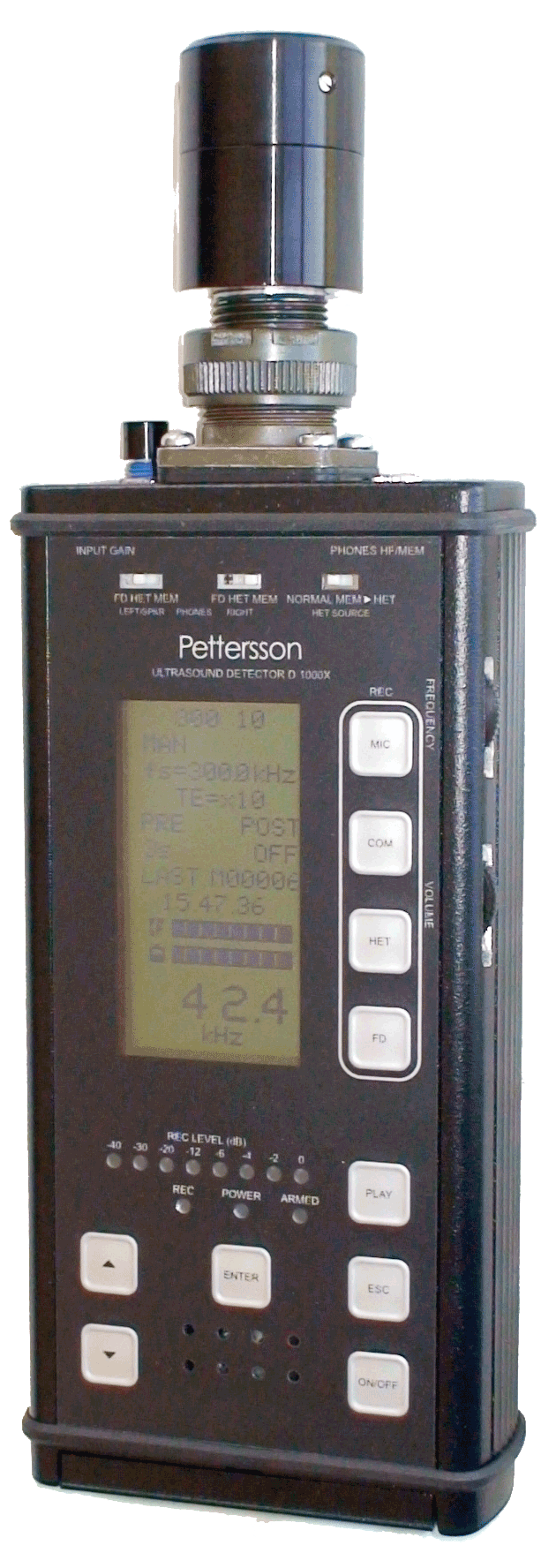
Pettersson D1000x
$4,499.00
The Pettersson D-1000X is the professional ultrasound detector based on the latest technology. This detector features Heterodyne (HET), Frequency Division (FD), Time-expansion (TE), and also a built-in 16-bit recording system using a Compact Flash (CF) card as the storage medium. It is equipped with the Pettersson, high-quality capacitance micro...
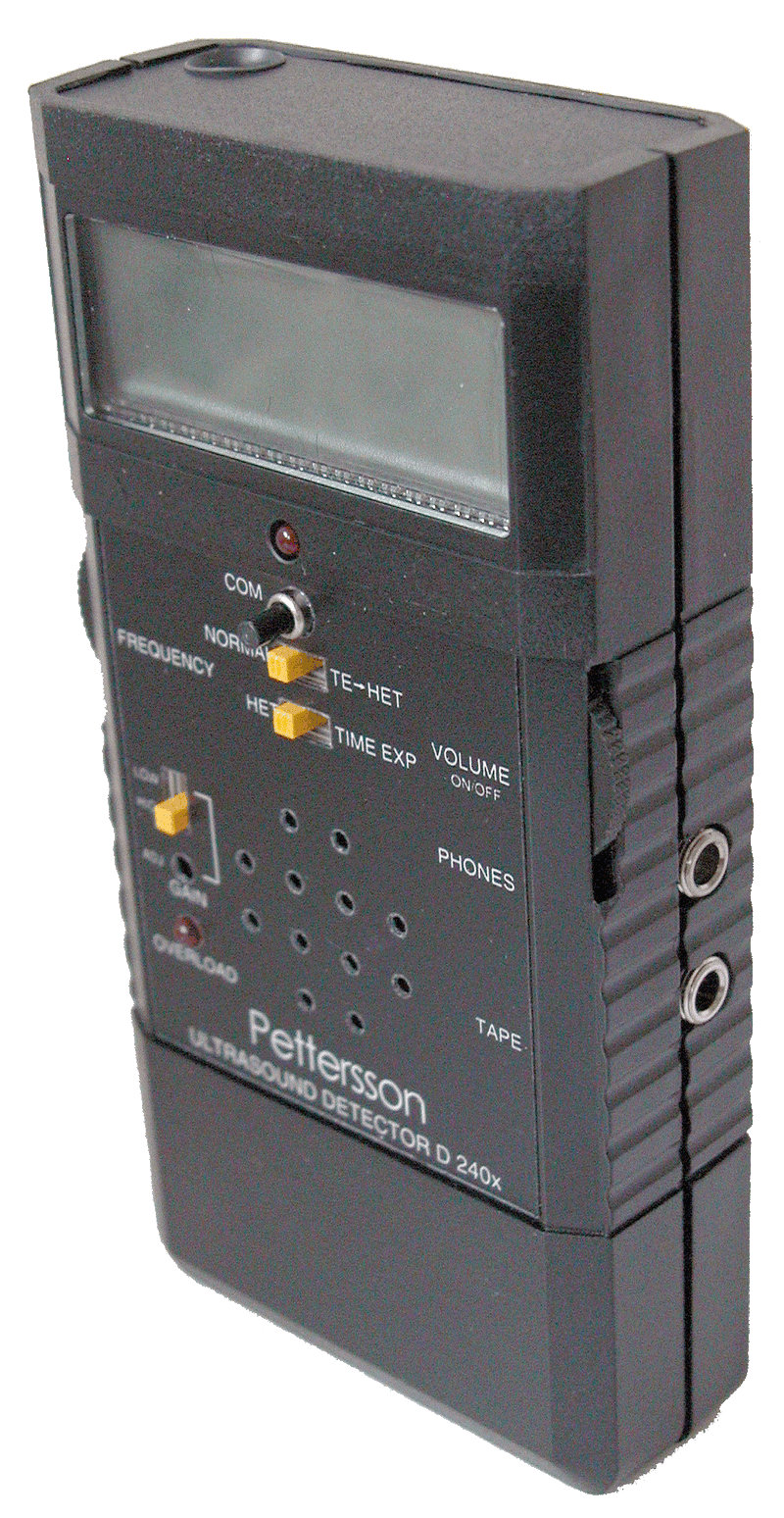
Pettersson D240x - Used
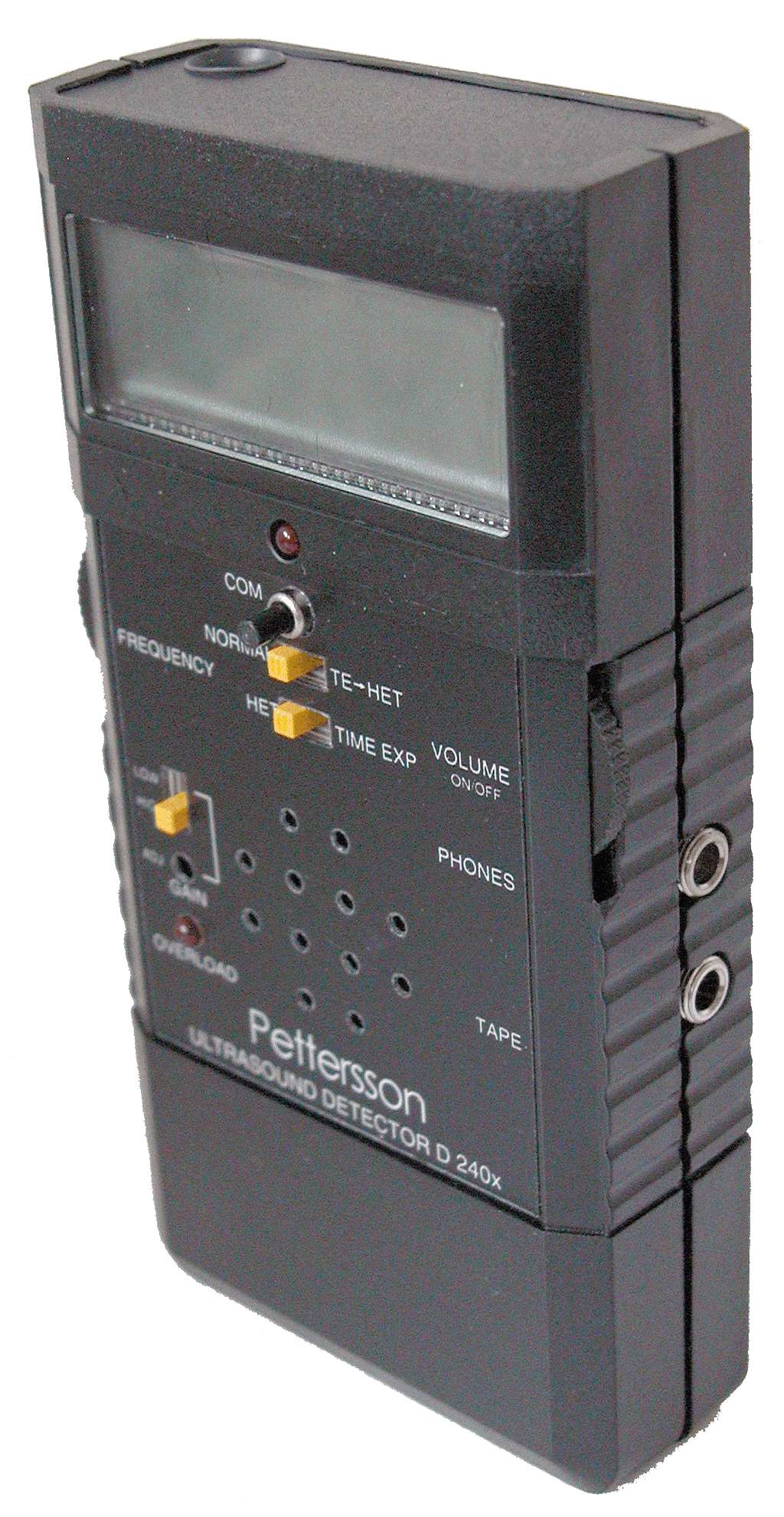
Pettersson D240x - Used
$750.00
Note: this is a LIGHTLY USED detector, includes soft case, no box. Used occasionally at bat workshops by professional adults for purposes of collecting voucher calls, otherwise has been stored. Tested before shipping, guaranteed not DOA. The D240x manual can be downloaded here: https://batsound.com/downloads/ D240x Description: Heterodyne and F...
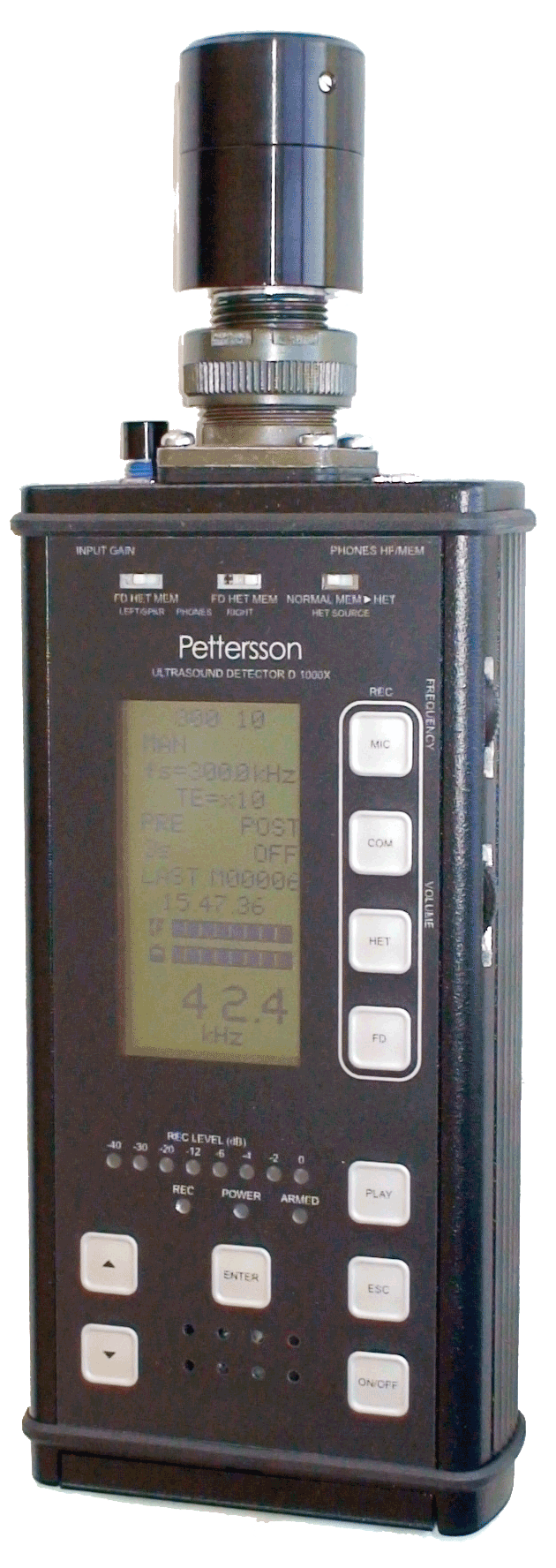
Demo Pettersson D1000x s/n 303 w/cable
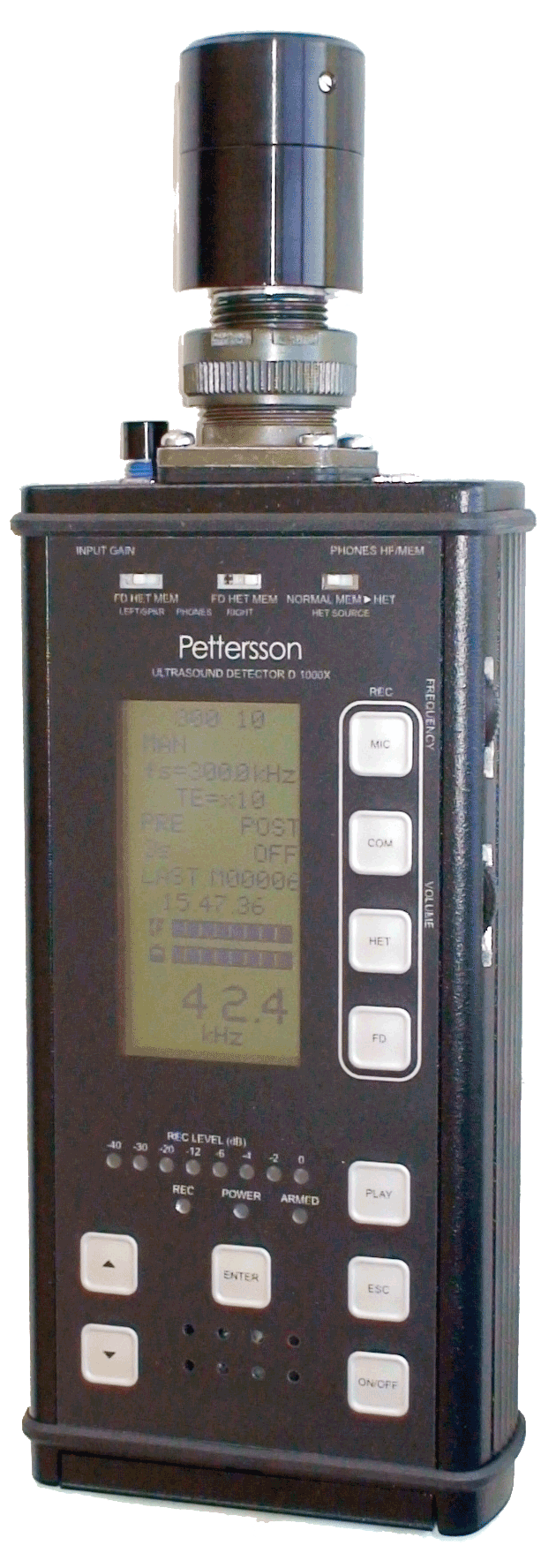
Demo Pettersson D1000x s/n 303 w/cable
$3,550.00
This is a lightly used demo unit. It was used by instructors at BCM bat acoustic workshops to record voucher calls. Includes 15' mic extension cable, Pettersson soft pouch, and a hard storage/travel case. Additional specs and instruction manual download available from https://batsound.com/product/d1000x-ultrasound-detector/ The Pettersson D-10...
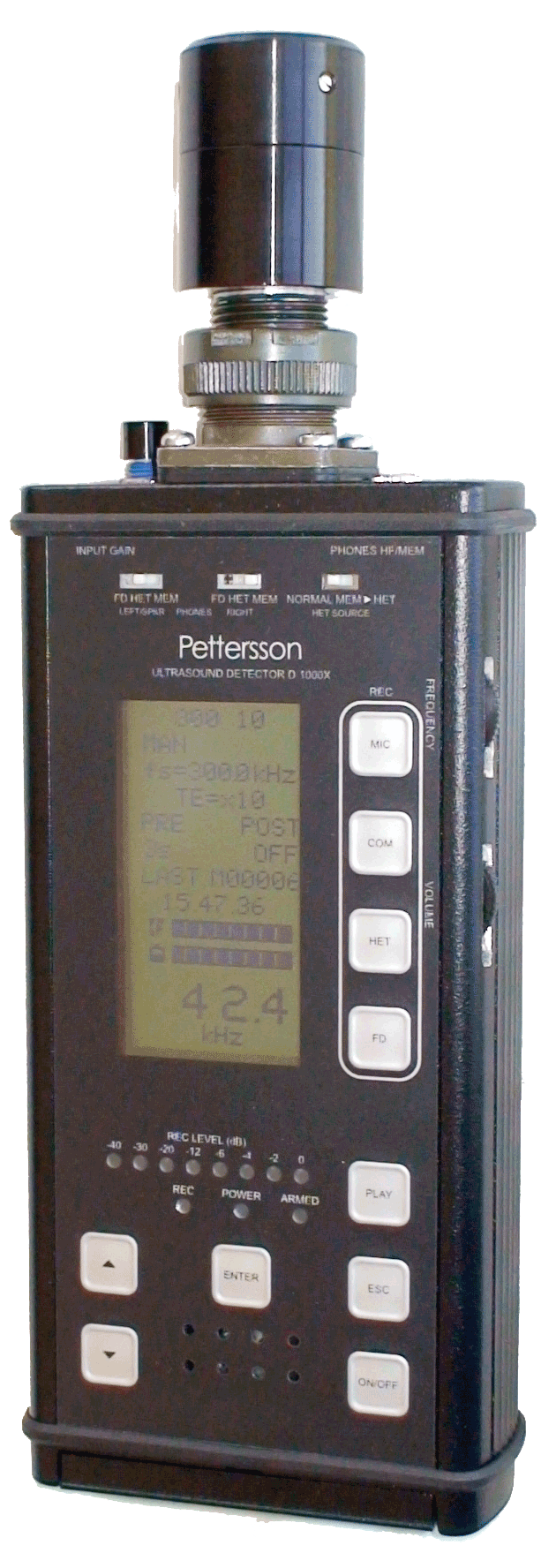
Demo Pettersson D1000x s/n 282
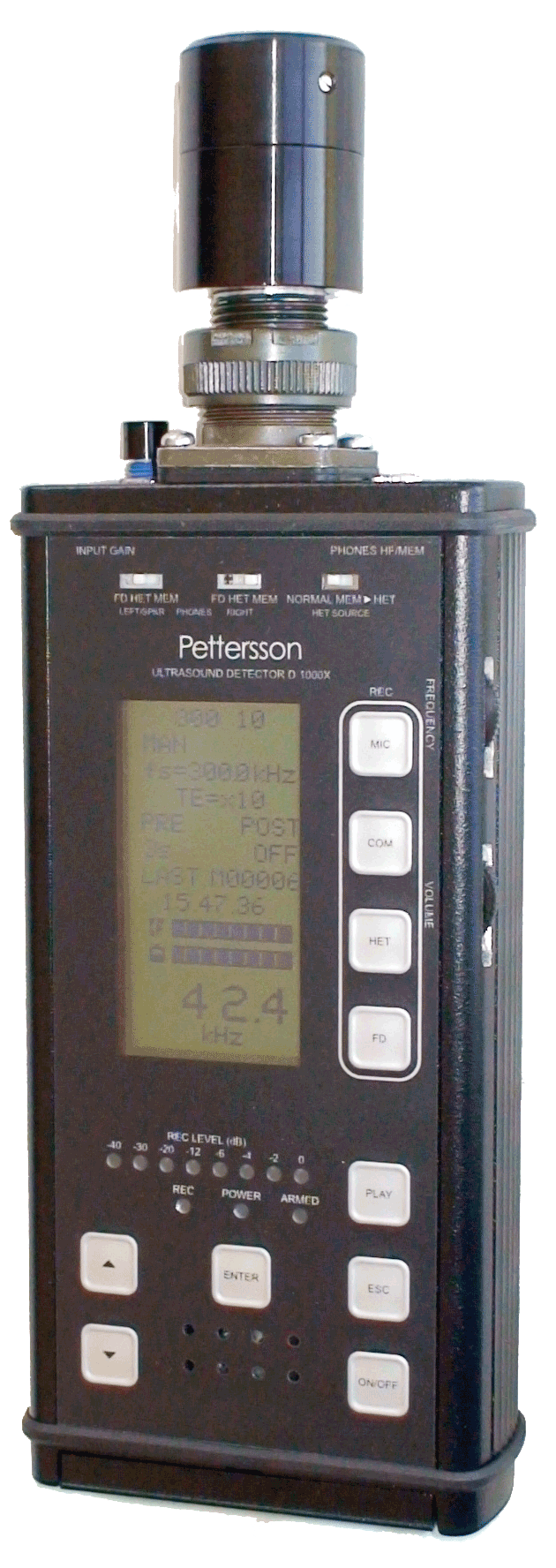
Demo Pettersson D1000x s/n 282
$3,495.00
This is a lightly used demo unit. It was used by instructors at BCM bat acoustic workshops to record voucher calls. Includes Pettersson soft pouch, and a hard storage/travel case. Additional specs and instruction manual download available from https://batsound.com/product/d1000x-ultrasound-detector/ The Pettersson D-1000X is the professional u...
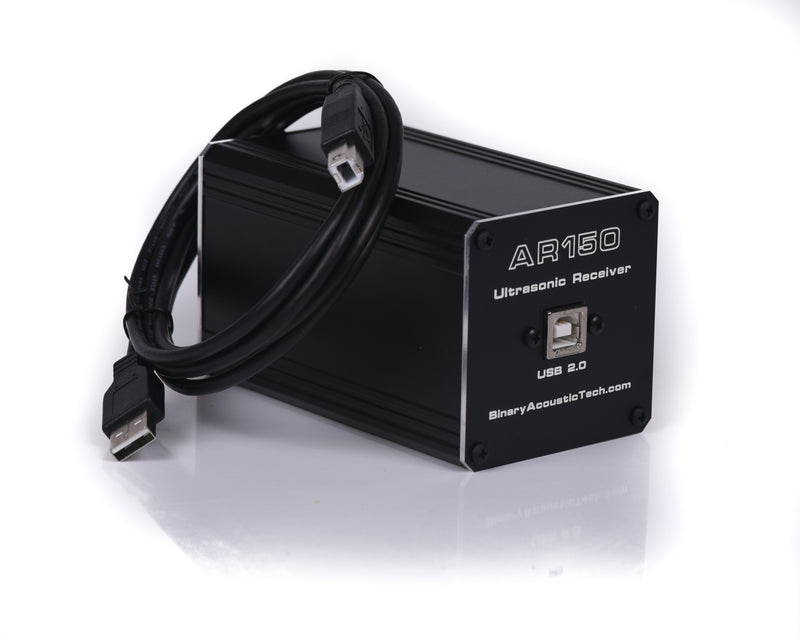
Binary Acoustic Technology AR150FG
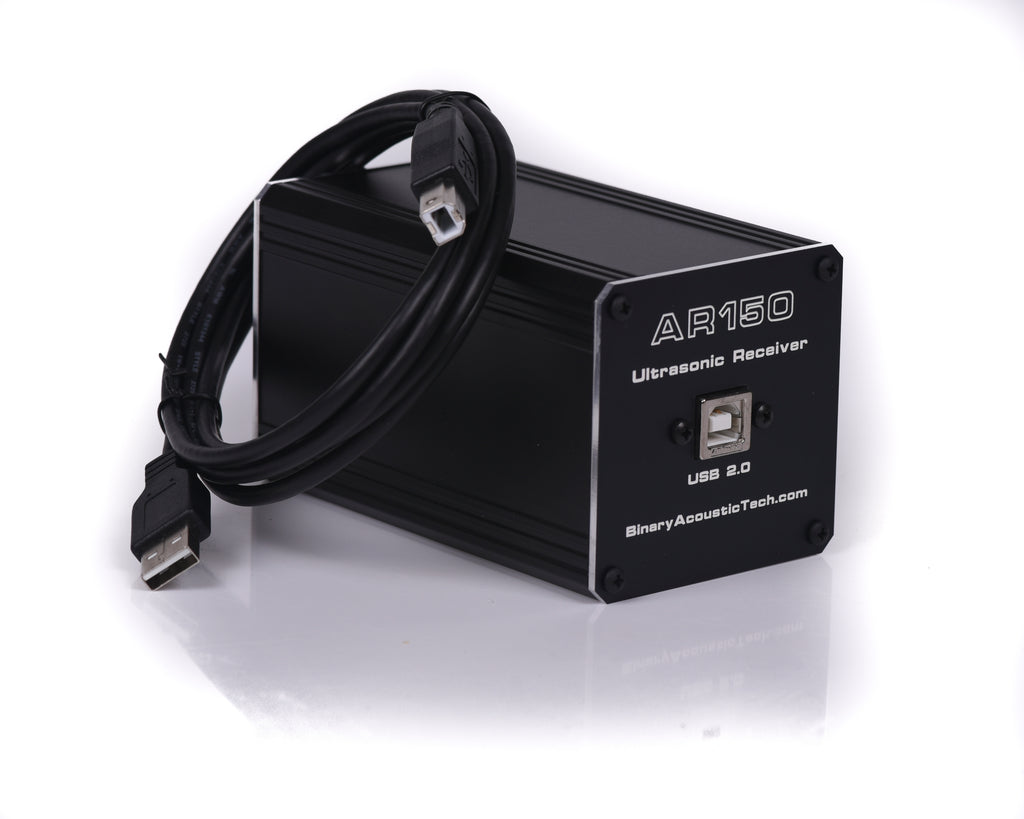
Binary Acoustic Technology AR150FG
$1,095.00
The AR150-FG is a professional quality ultrasonic receiver that is designed for ultrasonic recording and acoustic analysis. It employs a hemispherical ultrasonic element along with ultrasonic to digital conversion technology which produces a high quality, digitally sampled, acoustic stream that is injected directly into a laptop or lab computer...


